Blog

  • Test Blog Written by Dhruv Parmar

    Test Blog Written by Dhruv Parmar

    Welcome to the Blog

    Welcome to the very first post on rushabhahir.com. This is a sample Markdown file designed to test how different content blocks render on the website.


    Formatting Examples

    Here is a quick rundown of how various Markdown elements look. We can use italics for emphasis, bold text for strong importance, and even combine both for maximum effect.

    If we need to strike something out, we use strikethrough.

    Lists

    Unordered List:

    • First item
    • Second item
      • Nested item A
      • Nested item B
    • Third item

    Ordered List:

    1. Step one
    2. Step two
    3. Step three

    Blockquotes

    Sometimes you need to highlight a quote or a special note:

    "The best time to plant a tree was 20 years ago. The second best time is now."
    Chinese Proverb

    Code Snippets

    If you are writing about technology, you might want to share some code.

    Inline code: You can use console.log('Hello World!'); directly in a sentence.

    Code Block:

    // A simple JavaScript function
    function greetVisitor(name) {
        if (name) {
            return `Welcome to rushabhahir.com, ${name}!`;
        }
        return 'Welcome to my website!';
    }
    
    console.log(greetVisitor('Friend'));
    
  • Bhajan, Aarti and Lokgeet: A Beginner’s Guide to Gujarati Devotional Music

    Bhajan, Aarti and Lokgeet: A Beginner’s Guide to Gujarati Devotional Music

    People sometimes ask me what kind of music I sing, and the honest answer is: several kinds that all come from the same root. Gujarati devotional and folk music is not one thing — it is a family of forms, each with its own mood, its own moment, and its own way of reaching the divine. Here is a simple guide to the ones I love most.

    What makes music “devotional”

    Devotional music, or bhakti sangeet, is music made as an offering rather than a performance. The goal is not applause; it is connection — between the singer, the listener, and something larger than both. In Gujarat, that spirit runs through almost everything we sing, whether it is a whispered bhajan or a thundering Navratri garba.

    Bhajan: songs of surrender

    A bhajan is a devotional song, usually simple in melody and deep in feeling. It is the music of surrender — of sitting quietly and letting the words do the work. Great bhajans are often centuries old, written by saint-poets like Narsinh Mehta, and they survive because they say something true in the fewest possible words.

    When bhajans are sung

    Bhajans belong to the evening, to temples, to satsang gatherings where people sing together late into the night. They ask nothing of you except attention.

    Aarti: the flame and the voice

    An aarti is sung while a lit lamp is offered to the deity, usually to open or close a period of worship. It is short, bright, and communal — everyone knows the words, everyone joins in. If a bhajan is a private conversation, an aarti is a whole room speaking at once.

    Garba and Raas: devotion in motion

    Not all devotion is still. Garba and raas turn worship into movement — the circle, the claps, the sticks, the rising tempo of a Navratri night. The lyrics are often addressed directly to the goddess, which is why a Garba floor, for all its energy, is still a form of prayer.

    Lokgeet: the songs of the land

    Lokgeet are folk songs — the music of villages, weddings, harvests, and the dayro. They are not always strictly devotional, but they carry the memory of a place: its landscapes, its heartbreaks, its humour. Most lokgeet have no single author. They belong to everyone who has ever sung them.

    The dayro tradition

    A dayro is a live folk gathering, part concert and part storytelling, where a singer moves between song, poetry, and conversation with the audience. It is where many of these forms live side by side.

    How to start listening

    If you are new to this world, start slow. Listen to one bhajan with the lyrics in front of you. Then hear an aarti sung by a crowd. Then put on a Navratri garba and let it build. You will notice the same devotion moving through all three at completely different speeds — and that range is the whole beauty of it.

    Frequently asked questions

    What is the difference between a bhajan and an aarti?

    A bhajan is a devotional song focused on reflection and surrender, often sung at length. An aarti is a shorter, communal song performed while offering a lit lamp to a deity, usually to begin or end worship.

    What is lokgeet?

    Lokgeet are traditional Gujarati folk songs passed down through generations. They usually have no single author and reflect the life, land, and emotions of ordinary people.

    Is garba considered devotional music?

    Yes. Although garba is energetic dance music, its lyrics are often addressed to the goddess Amba, making it a form of devotion expressed through movement during Navratri.

    Who wrote the most famous Gujarati bhajans?

    Many beloved Gujarati bhajans come from saint-poets such as Narsinh Mehta, whose devotional verses are still sung today, centuries after they were written.

  • Navratri and Garba: The Meaning Behind Nine Nights of Devotion and Dance

    Navratri and Garba: The Meaning Behind Nine Nights of Devotion and Dance

    Navratri is the busiest, loudest, most alive stretch of my year. Nine nights, one circle, thousands of feet moving to the same beat. But behind the lights and the energy there is something older and quieter — a form of devotion that has been danced in Gujarat for centuries. This is what those nine nights mean to me.

    What Navratri actually celebrates

    Navratri means “nine nights.” It honours the goddess Amba — Shakti, the divine feminine — and her victory over darkness. Each night carries its own colour, its own mood, and its own prayer. It is a festival of faith first, and a festival of dance second. The two are impossible to separate.

    The nine nights

    Traditionally, the nine nights are devoted to nine forms of the goddess. In practice, for those of us on stage, they become a rhythm: the crowd grows a little bigger each night, the dancers a little more fearless, until the final night feels less like a performance and more like a wave everyone is riding together.

    Why we dance in a circle

    The garba circle is not an accident. Dancers move around a centre — often an earthen lamp, the garbo, or an image of the goddess. The lamp represents the divine light that never goes out. We circle it the way the earth circles the sun: endlessly, in devotion, never quite arriving, never wanting to.

    When you are singing from the stage and you watch that circle turn for hours, you understand something words cannot hold. Nobody is the star. Everybody is part of the same turning.

    Garba and Raas: the difference

    People often use the two words as if they mean the same thing. They don’t, quite.

    Garba

    Garba is danced with the hands and claps, usually in a circle, often devotional in its lyrics. It builds slowly and can go on for a very long time.

    Raas (Dandiya Raas)

    Raas is danced with sticks — the dandiya — in pairs, and it is faster, more playful, more percussive. If garba is the prayer, raas is the celebration that follows it.

    What a Garba night feels like from the stage

    Sound check ends, the lights drop, and for a moment there is complete silence. Then the harmonium breathes in, the dhol answers, and the floor fills. From up there, a good Garba night has a physical shape — you can feel the tempo pulling the room, and your job as a singer is to hold that tempo like a thread without ever letting it snap.

    The hardest and most beautiful part is stamina. A real Garba night does not end because the songs run out. It ends because the sun is coming up.

    The songs that carry the night

    Some songs belong to Navratri the way certain smells belong to a kitchen. Aartis to open the evening, traditional garba to warm the circle, non-stop medleys to keep it turning, and a slow, devotional close when everyone is tired and grateful. Sequencing those songs well is its own quiet craft.

    Frequently asked questions

    What is the meaning of Navratri?

    Navratri means “nine nights.” It is a Hindu festival honouring the goddess Durga or Amba in her nine forms, celebrating the triumph of good over evil. In Gujarat it is marked with nightly garba and raas.

    What is the difference between garba and dandiya raas?

    Garba is danced with claps and hand movements in a circle around a central lamp, and is more devotional. Dandiya raas is danced with sticks in pairs and is faster and more playful.

    Why do people dance around a lamp during garba?

    The central lamp, or garbo, symbolises the divine light of the goddess. Dancing in a circle around it is an act of devotion — a reminder that the light at the centre is what everything turns around.

    How long does a traditional Garba night last?

    A traditional community Garba night can last from a few hours to all night, sometimes ending only at sunrise. During Navratri this happens for nine consecutive nights.
  • How Gujarati Folk Music Is Made: From Dayro to the Recording Studio

    Every folk song carries two lives: the one it lived for generations in villages, and the one it begins when we bring it into a studio. This is how that journey works.

    Where a folk song begins

    Most Gujarati lokgeet have no single author. They belong to the community — sung at weddings, harvests, and dayro gatherings that stretch past midnight. The melody bends a little with every singer.

    The role of the dayro

    A dayro is part concert, part conversation. The singer responds to the crowd, and the crowd responds back. It is the oldest feedback loop in our music.

    The instruments that carry it

    Three instruments form the backbone of most of my recordings.

    Harmonium

    The harmonium holds the melody and the drone at once. It is the first thing I reach for when learning a new song.

    Dhol and tabla

    Rhythm in folk is never mechanical. The dhol pushes the garba forward; the tabla keeps the bhajan grounded.

    Bringing it to the studio

    In the studio, the challenge is to keep the soul while improving the clarity. We record the voice first, live, before adding layers.

    Frequently asked questions

    What is the difference between lokgeet and garba?

    Lokgeet is the broad category of Gujarati folk song. Garba is a specific devotional and celebratory form, usually circular dance music performed during Navratri.

    Which instruments are essential for Gujarati folk?

    Harmonium, dhol, tabla, and often the manjira and tanpura. The voice, of course, is the most important instrument of all.

    Can folk songs be copyrighted?

    Traditional folk melodies are usually in the public domain because they have no single author. New arrangements and original compositions can be copyrighted.

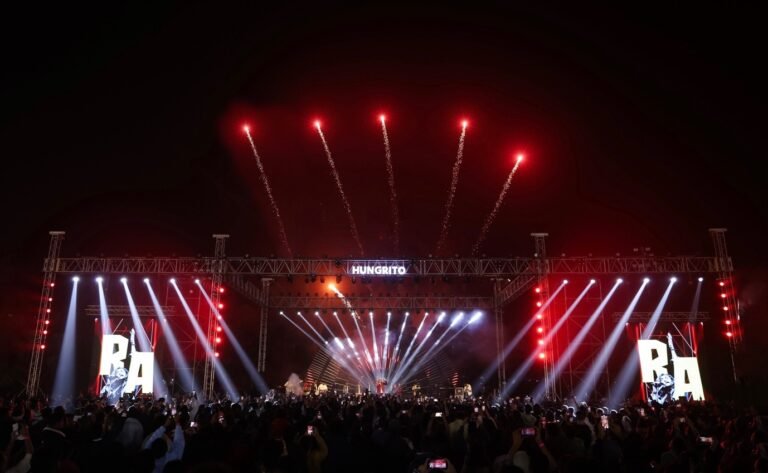
  • Rushabh Ahir Live Folk Concert: My Journey from a Dream to a Global Stage

    Rushabh Ahir Live Folk Concert: My Journey from a Dream to a Global Stage

    નમસ્કાર મિત્રો! મારી વેબસાઈટની મૂરતનો આ પહેલો બ્લોગ છે. અને હું બ્લોગ પણ પહેલો જ લખું છું. એટલે આપણે કાંઈ લેખક નથી; નથી એવું કાંઈ લખતા આવડતું. પણ લખવાની વાત આવી છે એટલે થોડી મોકળાશ લઈને માંડીને વાત કરું છું…

  • ગુજરાત — ક્યાં ક્યાંથી આવ્યા આ ગીતો, આ વાર્તાઓ, આ વારસો?

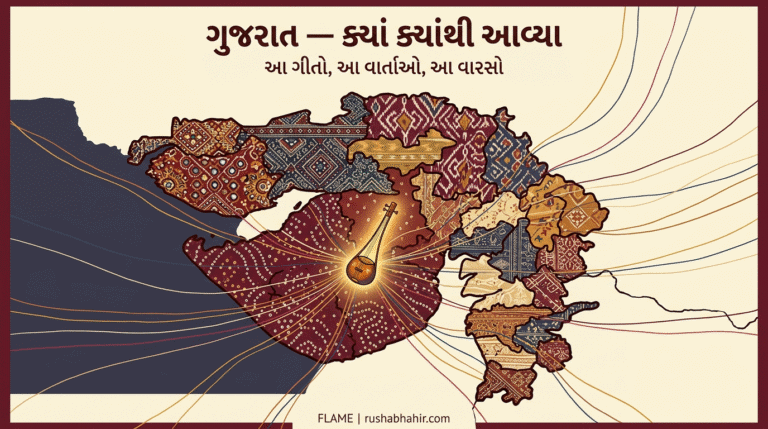
    ગુજરાત — ક્યાં ક્યાંથી આવ્યા આ ગીતો, આ વાર્તાઓ, આ વારસો?

    લોકગીતનો કોઈ એક રચયિતા નથી હોતો, એ તો આખા લોકસમૂહનું સર્જન છે. આ વાત મે જ્યારે પહેલીવાર રઢિયાળી રાત માં વાંચી ત્યારે મનમાં એક સવાલ ઊઠ્યો કે જે ગીત સાથે કોઈ નામ ન જોડાયેલું હોય, જેનો કોઈ ચોક્કસ સર્જક ન હોય — એ ગીત આટલા વર્ષ સુધી જીવતું કેમ રહે?

  • ધન્ય હો ધન્ય સૌરાષ્ટ્ર ધરણી

    ધન્ય હો ધન્ય સૌરાષ્ટ્ર ધરણી

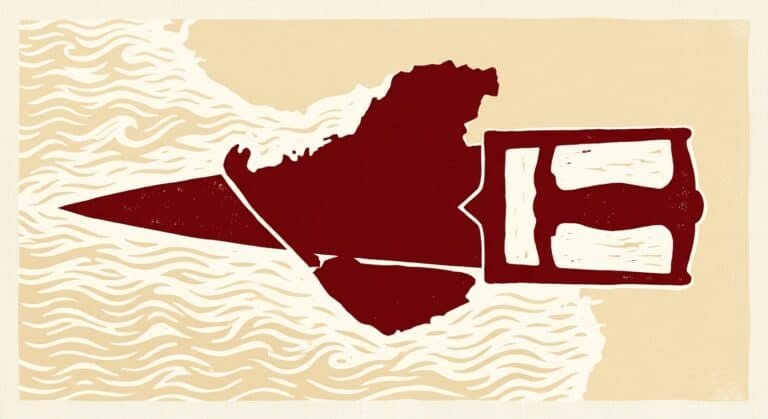
    અરબી સમુદ્રમાં ઉતરેલો આ પ્રદેશ ક્યારેય મને પ્રવાસનની જાહેરાત જેવો નથી લાગ્યો. કટાર જ લાગ્યો છે. સૌરાષ્ટ્ર એ માત્ર એક દ્વીપકલ્પ નથી, એ તો આખા એશિયાની અટારી છે.

    જ્યાં એશિયા ખંડ અરબસ્તાન, ઈરાન અને આફ્રિકા સામે ઉભો રહે છે. એક એવી ધરતી જે હજારો વર્ષોથી લોકો, વેપાર, અને સંગીતની ઊમેદ સંગ્રહીને બેઠી છે.

  • Hello world!

    Welcome to WordPress. This is your first post. Edit or delete it, then start writing!