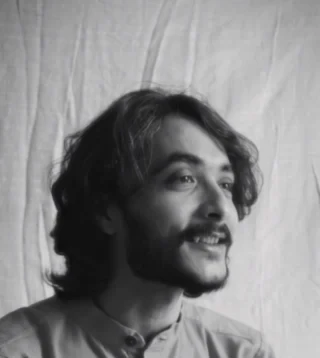
People sometimes ask me what kind of music I sing, and the honest answer is: several kinds that all come from the same root. Gujarati devotional and folk music is not one thing — it is a family of forms, each with its own mood, its own moment, and its own way of reaching the divine. Here is a simple guide to the ones I love most.
What makes music “devotional”
Devotional music, or bhakti sangeet, is music made as an offering rather than a performance. The goal is not applause; it is connection — between the singer, the listener, and something larger than both. In Gujarat, that spirit runs through almost everything we sing, whether it is a whispered bhajan or a thundering Navratri garba.
Bhajan: songs of surrender
A bhajan is a devotional song, usually simple in melody and deep in feeling. It is the music of surrender — of sitting quietly and letting the words do the work. Great bhajans are often centuries old, written by saint-poets like Narsinh Mehta, and they survive because they say something true in the fewest possible words.
When bhajans are sung
Bhajans belong to the evening, to temples, to satsang gatherings where people sing together late into the night. They ask nothing of you except attention.
Aarti: the flame and the voice
An aarti is sung while a lit lamp is offered to the deity, usually to open or close a period of worship. It is short, bright, and communal — everyone knows the words, everyone joins in. If a bhajan is a private conversation, an aarti is a whole room speaking at once.
Garba and Raas: devotion in motion
Not all devotion is still. Garba and raas turn worship into movement — the circle, the claps, the sticks, the rising tempo of a Navratri night. The lyrics are often addressed directly to the goddess, which is why a Garba floor, for all its energy, is still a form of prayer.
Lokgeet: the songs of the land
Lokgeet are folk songs — the music of villages, weddings, harvests, and the dayro. They are not always strictly devotional, but they carry the memory of a place: its landscapes, its heartbreaks, its humour. Most lokgeet have no single author. They belong to everyone who has ever sung them.
The dayro tradition
A dayro is a live folk gathering, part concert and part storytelling, where a singer moves between song, poetry, and conversation with the audience. It is where many of these forms live side by side.
How to start listening
If you are new to this world, start slow. Listen to one bhajan with the lyrics in front of you. Then hear an aarti sung by a crowd. Then put on a Navratri garba and let it build. You will notice the same devotion moving through all three at completely different speeds — and that range is the whole beauty of it.
Frequently asked questions
What is the difference between a bhajan and an aarti?
A bhajan is a devotional song focused on reflection and surrender, often sung at length. An aarti is a shorter, communal song performed while offering a lit lamp to a deity, usually to begin or end worship.
What is lokgeet?
Lokgeet are traditional Gujarati folk songs passed down through generations. They usually have no single author and reflect the life, land, and emotions of ordinary people.
Is garba considered devotional music?
Yes. Although garba is energetic dance music, its lyrics are often addressed to the goddess Amba, making it a form of devotion expressed through movement during Navratri.
Who wrote the most famous Gujarati bhajans?
Many beloved Gujarati bhajans come from saint-poets such as Narsinh Mehta, whose devotional verses are still sung today, centuries after they were written.